

7 Steps to Prevent Recurring Drain Clogs for Good
Last Updated: October 28, 2026
Quick Summary
To prevent drain clogs, keep hair, grease, and food scraps out of the pipe, and run hot water and clear debris on a regular schedule. Most repeat clogs come from material that builds up slowly on the pipe walls, so small routine habits stop them before they start.
- Clear hair from shower stoppers and drain screens weekly.
- Pour cooking grease into a container and throw it away once it cools.
- Flush each drain with hot water monthly, then cool water.
- Have a professional inspect the drain lines once a year.
- Avoid harsh chemical cleaners, which can damage older pipes.
Table of Contents
- Why Drains Keep Clogging in the First Place
- How to Prevent Kitchen Sink Clogs Before They Start
- How to Prevent Shower Drain Clogs From Hair and Soap
- Routine Drain Maintenance That Stops Repeat Backups
- DIY Fixes for Minor Clogs Without Harsh Chemicals
- Common Mistakes That Make Recurring Clogs Worse
- When to Call a Plumber for a Clogged Drain
- Booking Your Drain Inspection With The Gentleman Plumber
- Frequently Asked Questions
Learning how to prevent drain clogs can help homeowners address recurring blockages. With a few habits and simple tools, you can take steps to reduce the chance of the same slow drain coming back. This guide walks through common causes and prevention steps.
Why Drains Keep Clogging in the First Place
Most repeat clogs come from material that builds up slowly inside the pipe. A single bad day rarely causes them. Small amounts of debris collect on the pipe walls until the opening narrows enough to trap everything that follows.
Hair, soap scum, and grease buildup
Hair and soap are the main culprits in bathrooms. Hair tangles around the pipe wall and catches soap residue, forming a mat that grows over time. Grease does the same in kitchens. It cools, hardens, and sticks to the inside of the pipe.
- Hair binds with soap to form thick clumps
- Grease solidifies as it cools inside the pipe
- Each layer makes the next clog easier to form
Hard water mineral deposits
Hard water leaves mineral deposits that narrow pipes from the inside. Over months and years, these deposits can cut down the flow of water significantly. Mineral buildup is slower than hair or grease, but it makes every other type of clog more likely.
How to Prevent Kitchen Sink Clogs Before They Start
Kitchen sinks take the most abuse. Food scraps, oil, and coffee grounds all head down the same drain. A few simple habits go a long way.
- Pour cooking grease into a container and throw it away once it cools
- Scrape plates into the trash before rinsing them
- Run cold water for 15 to 30 seconds after using the garbage disposal
A drain screen is one of the cheapest fixes available. Our kitchen plumbing services cover clogs and repairs for kitchen sinks. It catches food bits before they reach the pipe. Empty it often, because a full screen stops working.
How to Prevent Shower Drain Clogs From Hair and Soap
Shower drains clog slowly, which is why many homeowners miss the warning signs. Water starts to pool for a few seconds longer each week. By the time the shower stalls completely, the blockage is well established.
Use a hair catcher over the drain and clean it every few days. Our shower and bathtub services can address drains that keep clogging. Pull out the hair and soap buildup by hand, then rinse the drain with hot water. Doing this weekly takes less than five minutes and stops most shower clogs before they form.
Routine Drain Maintenance That Stops Repeat Backups
Routine care can help address buildup before it becomes a clog.
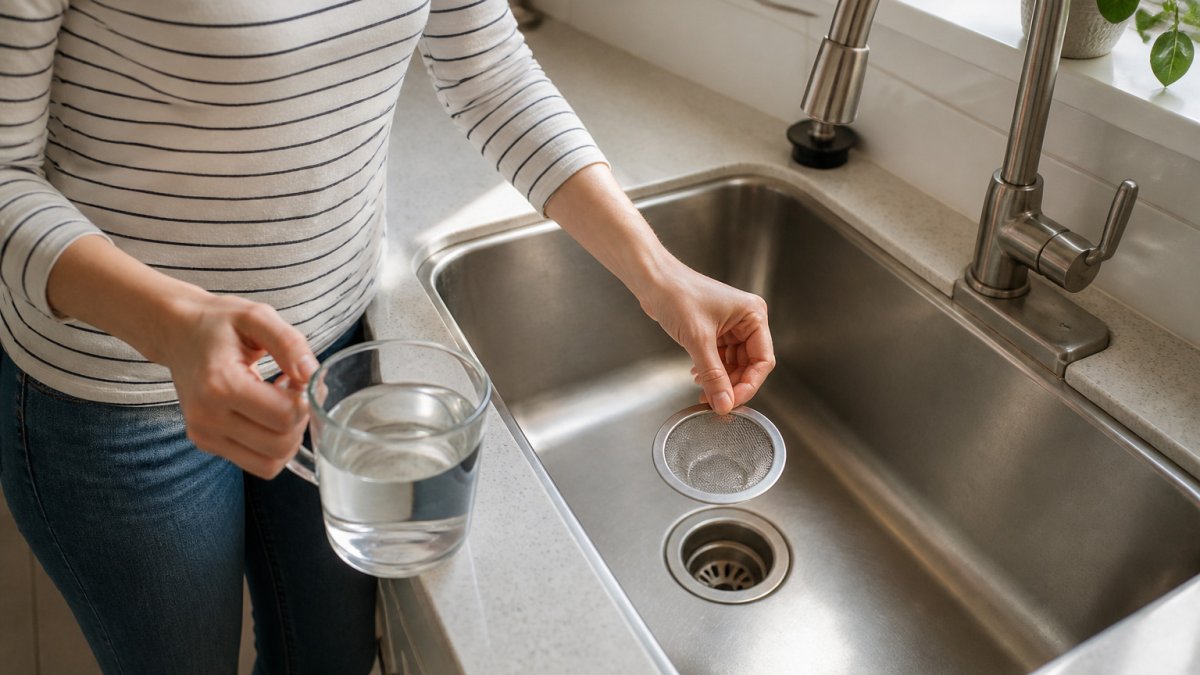
- Weekly: Clear hair from shower stoppers and drain screens
- Monthly: Flush each drain with hot water, then cool water
- Every few months: Pour a kettle of boiling water down kitchen drains (skip this if your pipes are PVC and check first)
- Once a year: Have a professional inspect the drain lines
For homes that keep backing up, book professional drain cleaning service.
The article lays out a simple maintenance schedule that helps stop buildup before it turns into a clog.
- Weekly: Maintenance task: Clear hair from shower stoppers and drain screens
- Monthly: Maintenance task: Flush each drain with hot water, then cool water
- Every few months: Maintenance task: Pour a kettle of boiling water down kitchen drains
- Once a year: Maintenance task: Have a professional inspect the drain lines
DIY Fixes for Minor Clogs Without Harsh Chemicals
Many slow drains respond well to basic tools. Start with the simplest option and move up only if needed.
- Remove the stopper and clear any visible hair or debris by hand
- Plunge the drain several times to loosen the blockage
- Pour hot water down the drain in short bursts
- Use a hand auger to reach deeper clogs
Harsh chemical drain cleaners can damage older pipes and create safety risks. A plunger and a hand auger are options for minor clogs without chemicals.
Common Mistakes That Make Recurring Clogs Worse
A common mistake is treating every clog as a one-time event. Clearing the blockage without looking for the cause means the clog will return.
- Pouring grease down the drain because it is a quick option
- Using chemical cleaners over and over, which can weaken pipes
- Ignoring slow drains until water backs up completely
- Flushing wipes, paper towels, or feminine products
Watch out: repeated use of chemical cleaners on a clog that will not clear can leave caustic liquid sitting in the pipe, which can injure you or damage the pipe.
When to Call a Plumber for a Clogged Drain
Some clogs need professional help. Consider calling a plumber if the drain is still slow after DIY attempts, if more than one drain backs up at the same time, or if sewage odors come from the drains. These symptoms can have different causes.
If you have had repeated clogs in an older home, a professional camera inspection can show what is happening inside the pipe. Find a local Lenexa plumber for drain cleaning in your area. Our team at The Gentleman Plumber is licensed and insured. Contact us for a quote specific to your home.
Booking Your Drain Inspection With The Gentleman Plumber
If a clog keeps coming back, consider seeking professional help. Schedule a drain inspection. You can also call our team.
Frequently Asked Questions
Why do my drains keep getting clogged?
Recurring clogs can have different causes. Hair, soap scum, grease, and food particles can collect in drains. A drain screen and regular stopper cleaning are options for catching some debris.
How can I prevent my kitchen sink drain from clogging?
Scrape plates into the trash before rinsing, and use a strainer over the drain to catch food scraps. Avoid pouring grease and food scraps down the drain. These habits can help reduce what enters the drain.
When should I call a plumber for a recurring drain clog?
Consider calling a plumber if the drain clogs again, if more than one fixture backs up at the same time, or if you notice gurgling sounds, sewage odors, or water rising in a lower drain when you run another fixture. These symptoms can have different causes.
Request a Call
 Add thegentlemanplumberkc.com as a preferred source on Google →