

How Often Should Sewer Lines Be Cleaned? A Homeowner's Guide
Quick Summary
How often should sewer lines be cleaned? For most homes, a common rule of thumb is every 18 to 24 months, though many homeowners only need service when a problem shows up. Tree roots, pipe age, and blockage history can shorten that interval considerably.
- Homes with no known issues often follow an 18 to 24 month cleaning interval.
- Homes with root problems or repeated clogs may need cleaning every 12 months or less.
- Newer PVC lines in good condition with no clog history may need cleaning only as needed.
- Repeated slow drains across the house point to the main line, not a single local clog.
- A camera inspection shows whether the line needs cleaning or a repair before you commit to a schedule.
How often should your sewer line be cleaned?The Gentleman Plumber helps Kansas City homeowners set a cleaning schedule based on their home's needs.Request a Call
Table of Contents
- How Often Sewer Line Cleaning Is Typically Recommended
- Why Cleaning Frequency Varies From Home to Home
- Sewer Line Cleaning Signs That Mean It's Time Now
- Building a Sewer Line Maintenance Schedule Around Your Home
- When a Camera Inspection Should Replace Routine Cleaning
- Clearing a Main Sewer Line Clog Yourself: What's Safe and What's Not
- Booking Your Next Sewer Line Cleaning and Its Typical Cost
- Frequently Asked Questions
How Often Sewer Line Cleaning Is Typically Recommended
Last Updated: November 19, 2026
How often should sewer lines be cleaned? For most homes, a common rule of thumb is every 18 to 24 months, though many homeowners only need service when a problem shows up.
A line with little grease, no roots, and no clog history can go long stretches between cleanings.
Here are the most common recommendations you will hear:
- Every 18 to 24 months for a typical home with no known issues
- Every 12 months or less for homes with root problems or repeated clogs
- Only as needed for newer homes with good pipe condition and no history of trouble
Notice that none of these options is a fixed calendar date. Cleaning works best when it responds to what your line is actually doing.
Why Cleaning Frequency Varies From Home to Home
No single interval fits every house. The right timing depends on the severity and cause of the problem. A clean, modern line may never need cleaning; an older home with slow drains may need it far sooner.
Several factors shape how often your line needs attention:
- Landscaping and tree roots
- Pipe age, material, and condition
- Household habits, such as what goes down the drain
Tree roots and mature landscaping
Roots are one of the most common reasons a sewer line needs frequent cleaning. They grow toward moisture and slip through small cracks or loose joints, then catch paper, grease, and debris, building a blockage over time.
If large trees sit near your sewer line, expect to clean the line more often. Watch for slow drains across several fixtures at once, since that pattern often points to the main line rather than one clogged drain.
Pipe age, material, and condition
Older pipes wear down. Clay, cast iron, and older concrete pipes can crack, sag, or collect scale inside, giving debris a place to settle and roots an opening.
A newer PVC line in good condition usually holds up better, but condition matters more than material alone. A camera inspection shows what your pipes look like inside, making it easier to choose the right schedule.
Sewer Line Cleaning Signs That Mean It's Time Now
Do not wait for a full backup to act. Several warning signs suggest your sewer line needs cleaning soon:
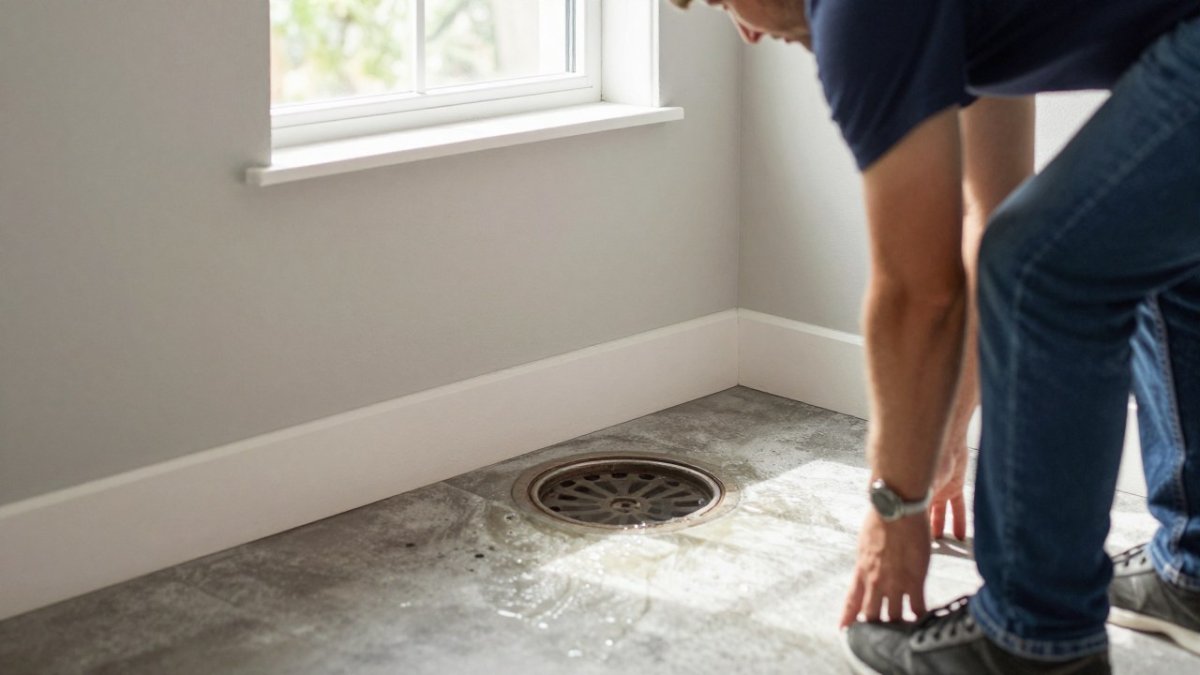
- Slow drains in more than one bathroom, sink, or tub
- Gurgling sounds from toilets or drains when water runs elsewhere
- Foul odors coming up from floor drains or the yard
Watch out: A single slow drain is often a local clog, not a main-line problem. Repeated slow drains across the house are the stronger sign that the main line needs help.
Building a Sewer Line Maintenance Schedule Around Your Home
A practical maintenance schedule is not a date you pick once and forget. Build it from five inputs: pipe material, pipe age, tree proximity, blockage history, and camera inspection findings. Weighing these factors can lead to a schedule more or less frequent than the generic 18-to-24-month rule.
Step 1: Score your pipe material and age
Start with what your line is made of and how old it is; these set the floor for how often you should expect to clean.
- PVC or ABS plastic (typically 1970s and newer): Smooth walls resist scale and root intrusion better than older materials. A sound plastic line with no history of clogs often needs cleaning only as needed, or every 2 to 3 years.
- Cast iron (common in pre-1975 homes): Interior walls roughen with age and collect scale, grease, and soap residue. A camera inspection can check for corrosion and joint separation.
- Clay tile (common in pre-1960 homes): Joints loosen and roots exploit the gaps. A camera inspection can help determine the right cleaning interval for clay lines with mature trees nearby.
If you do not know your pipe material, a camera inspection will usually reveal it, and a plumber can confirm it from the cleanout.
Step 2: Measure tree proximity
Roots are the most common reason a sewer line needs frequent cleaning. Risk depends on how close the trunk sits to the line and how aggressive the species is.
- Within 10 feet of the line: Higher risk of root intrusion.
- 10 to 30 feet: Moderate risk of root intrusion.
- More than 30 feet: Low risk unless the line already has cracks or loose joints that give roots an entry point.
Step 3: Review your blockage history
Past performance is the best predictor of future clogs. Ask yourself:
- Have you had more than one backup in the past two years? If so, move to an inspection-first schedule rather than a cleaning-first schedule.
- Did the last cleaning fix the problem for only a few months? That pattern suggests a structural cause, roots, a belly, or an offset joint, that routine cleaning will not solve.
- Have you never had a backup? Then a low-frequency schedule is reasonable, provided the pipe is in good condition.
Step 4: Get a camera inspection before you commit to a schedule
A camera inspection turns guesswork into a plan, showing whether the pipe is clear, cracked, offset, bellied, or full of roots. A camera inspection shows whether the pipe is clear, cracked, offset, bellied, or full of roots.
Step 5: Build the schedule
Use the table below as a starting point, then adjust based on your inspection findings.
- Newer PVC, no trees near the line, no clog history: Typical Cleaning Frequency: As needed, or every 2 to 3 years; Why It Matters: Low risk of roots or buildup
- Average home, no known issues: Typical Cleaning Frequency: Every 18 to 24 months; Why It Matters: Keeps routine debris from building up
- Mature trees near the line: Typical Cleaning Frequency: Every 12 months; Why It Matters: Roots can enter and trap debris
- Older home or aging pipes: Typical Cleaning Frequency: Every 6 to 12 months, plus inspection; Why It Matters: Cracks and sags collect waste
- Repeated backups or clogs: Typical Cleaning Frequency: As recommended after inspection; Why It Matters: Pattern suggests a deeper problem
Once you pick a starting point, follow these steps:
- Note the date of your last cleaning and any problems you noticed.
- Set a reminder for the recommended interval.
- Watch for the warning signs listed above between visits.
- Move your next cleaning up if the signs appear.
- Ask for a camera inspection if the same problem keeps returning.
Keep a simple log. Even a note on your phone helps you spot patterns over time.
Watch out: If your inspection shows a collapsed or offset pipe, do not schedule another cleaning, that is a repair decision, and repeated cleaning can worsen the damage.
When a Camera Inspection Should Replace Routine Cleaning
A camera inspection shows the inside of your sewer line in real time, distinguishing problems that look identical from the drain, grease, scale, roots, a belly, or a collapsed section all present the same way to a homeowner. That distinction is what makes an inspection more useful than a calendar date.
What the camera actually shows
A plumber feeding a camera through the cleanout is looking for five distinct conditions, each with a different maintenance response:
- Grease and soap buildup: Soft deposits that hydro jetting removes cleanly. If this is the only finding, the line is a good candidate for routine cleaning on a normal schedule.
- Scale and mineral deposits: Hard crust on cast-iron or concrete walls that narrows the pipe. Scale returns over time, so a line with heavy scale usually needs cleaning every 12 to 18 months rather than every two years.
- Root intrusion: Roots entering at joints or cracks. The camera shows where they enter and how much of the pipe they occupy. Roots return, so a line with root intrusion needs annual cleaning and, in many cases, a root-control plan or spot repair at the entry point.
When to book an inspection before your next cleaning
Consider a camera inspection before your next routine cleaning if:
- Your home is more than 30 years old
- You have had several backups in a short period
- You suspect roots or a collapsed section
A common pattern is a homeowner who has the line snaked every spring and fall, year after year, without ever seeing inside the pipe. The camera breaks that cycle, it either confirms the line is sound and cleanings can be spaced out, or reveals the cause and points to a repair.
How inspection findings change the schedule
If the camera shows a clean, intact line, you may be able to space out cleanings.
Watch out: If a plumber recommends cleaning without offering an inspection after a second backup in the same year, ask why.
For a closer look at costs and what an inspection reveals, see our guide on Sewer Camera Inspection Cost and Benefits for Homeowners.
Clearing a Main Sewer Line Clog Yourself: What's Safe and What's Not
Some clogs are safe to tackle at home. Others call for a professional. Knowing the difference protects your pipes and your health.
Safe steps for a minor clog:
- Use a plunger on fixtures with a good seal
- Try a hand auger for a clog close to a drain opening
- Run hot water for a short time to clear light grease
Avoid these actions:
- Do not use harsh chemical drain cleaners repeatedly, since they can damage older pipes
- Do not keep snaking a line that will not clear, since you can push the blockage farther or crack the pipe
- Do not open a cleanout while sewage is backing up without protection
Watch out: If sewage is backing up into several fixtures, stop and call a professional.
If you want to try clearing roots yourself first, our step-by-step guide on How to Clear Tree Roots from Sewer Line: 7 Steps walks through the process.
Booking Your Next Sewer Line Cleaning and Its Typical Cost
Sewer cleaning cost depends on the method, how far the blockage sits from the cleanout, and whether a camera inspection is needed.
When you book, ask these questions:
- What cleaning method do you recommend, and why?
- Will you inspect the line before or after cleaning?
- Is the estimate firm, or could it change?
If you are ready to book, you can Plumber in Overland Park, KS | The Gentleman Plumber or reach out through our Local Drain Cleaning Services page.
Get a sewer cleaning schedule that fits your home. Call The Gentleman Plumber today.
Frequently Asked Questions
How much does it cost to have a main sewer line cleaned?
Pricing depends on the length of the line, access points, the cleaning method used, and whether a camera inspection is included. The Gentleman Plumber does not publish standard rates in this article, so the most accurate figure comes from a quote for your property. Ask whether the price covers diagnosis, cleaning, and any follow-up camera check, and whether the quote is upfront before work begins. Comparing a written quote against the scope of work will help you judge value.
Can you clean a sewer line too often?
Yes. Cleaning a line that is already clear adds cost without reducing risk, and aggressive methods on fragile or older pipes can cause damage. Routine cleaning makes the most sense when the line has a history of clogs, root intrusion, or heavy grease or debris buildup. A camera inspection can show whether the line actually needs cleaning before you schedule another visit.
Can tree roots grow back after sewer line cleaning?
They can. Cleaning removes roots already inside the pipe, but it does not stop new roots from entering through joints or cracks. If large trees sit near the line, recurring root intrusion is common, and the cleaning interval may need to shorten. A camera inspection helps determine whether the root problem is growing back or whether the pipe needs repair.
Should I clean my sewer line myself or call a plumber?
Minor clogs in a drain can often be handled with a hand auger or a store-bought drain snake. A main sewer line clog, repeated backups, or any sign of root intrusion usually calls for a professional with proper equipment and a camera to see the problem. Chemical drain cleaners are generally discouraged on sewer lines because they can damage older pipes and do not remove root masses. If you are unsure, a licensed plumber can tell you what is safe to attempt yourself.
 Add thegentlemanplumberkc.com as a preferred source on Google →